.png)
Understanding Postpartum Moods: What Every Parent—and Doula—Should Know
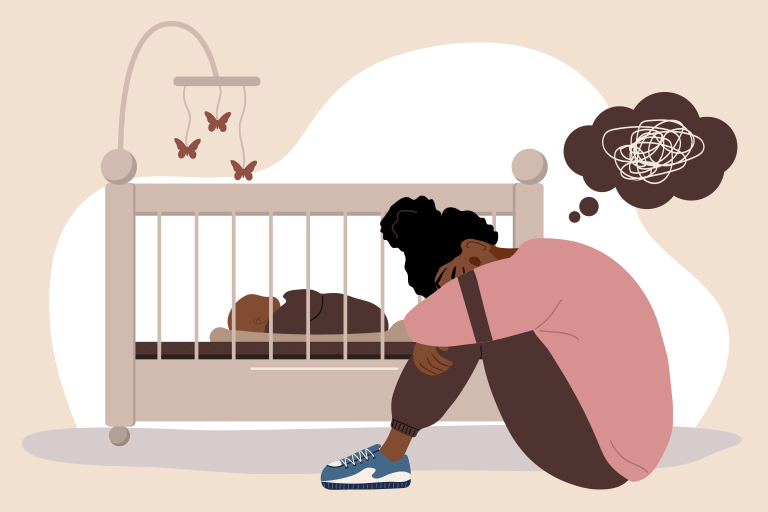
The moment a baby is born, so too is a parent. And while the early days of parenthood are often described as joyful and magical, they can also be overwhelming, confusing, and emotional. It's not uncommon for new parents to experience a range of moods in the weeks and months after birth—some expected, others surprising.
At Birth Journeys, we believe in supporting the whole person—not just through birth, but through the tender postpartum period. Whether you're an expecting parent or someone exploring the path of becoming a doula, understanding postpartum mood changes is essential to offering or receiving the support new families deserve.
The "Baby Blues" vs. Postpartum Mood Disorders
Most people have heard of the “baby blues”—a brief period of mood swings, tearfulness, and irritability that affects up to 80% of new mothers within the first week or two postpartum. These emotional ups and downs are typically caused by a dramatic hormonal shift, lack of sleep, and the adjustment to new routines.
But when those feelings last longer than two weeks or become more intense, it may signal something more serious.
Common Postpartum Mood Disorders Include:
Postpartum Depression (PPD): A persistent sadness, loss of interest, feelings of worthlessness, or disconnection from the baby. It may also include sleep or appetite changes, anxiety, or intrusive thoughts.
Postpartum Anxiety (PPA): Constant worry, restlessness, racing thoughts, and physical symptoms like heart palpitations or shortness of breath. Some people experience panic attacks.
Postpartum OCD (Obsessive Compulsive Disorder): Intrusive, distressing thoughts (often related to harming the baby) and compulsive behaviors meant to reduce anxiety.
Postpartum Psychosis: A rare but serious condition involving hallucinations, delusions, or paranoia. This is a medical emergency and requires immediate care.
Importantly, postpartum mood disorders can affect any parent, including fathers and non-birthing partners.
Why Postpartum Moods Matter
The emotional well-being of a parent deeply impacts their health, bonding with the baby, and overall family functioning. Left untreated, postpartum mood disorders can become debilitating. But with awareness, support, and the right care, healing is possible.
This is where doulas can make a powerful difference.
How Doulas Support Emotional Wellness Postpartum
A doula’s role doesn’t end with the birth. In fact, postpartum doulas are often lifelines in the early weeks and months, providing non-judgmental support, education, and reassurance. They are often the first to notice if something seems emotionally “off”—and they are trained to respond with compassion and resources.
Doulas Can:
Normalize the range of postpartum feelings
Offer coping tools and encouragement
Help create routines that reduce overwhelm
Support rest, nutrition, and recovery
Encourage bonding and babywearing
Educate partners on how to support the birthing parent
Know when and how to refer to mental health professionals
A doula doesn’t replace medical or psychological care—but they are often a bridge that helps a family recognize when something isn’t right and take the next step toward help.
The Importance of Support Networks
Postpartum wellness doesn’t happen in isolation. Families who feel supported are more likely to thrive emotionally. This includes having:
A birth team that listens
A partner who’s involved and informed
Friends and family who show up with empathy, not pressure
Access to professional resources, including lactation consultants, pelvic floor therapists, and mental health counselors
Doulas are often the connective tissue between these pieces—checking in, making referrals, and holding space.
For Aspiring Doulas: Why This Knowledge Matters
If you're thinking about becoming a doula, one of the most important tools you can bring to your clients is emotional literacy around the postpartum period.
Being able to identify the difference between baby blues and more serious concerns—and knowing how to talk about it without shame—is vital.
Doulas who are educated in postpartum mental health are not only more effective, they’re more trusted. They’re often the ones a parent will confide in when they’re struggling, and that trust can lead to life-changing (and sometimes life-saving) interventions.
By choosing to train as a doula with a strong postpartum component—or by continuing your education in this area—you’re equipping yourself to support families in one of the most vulnerable and sacred times of life.
You Are Not Alone—And You Don’t Have to Do It Alone
Whether you’re a new parent feeling overwhelmed, a partner who’s worried, or someone considering a career in birth work, it’s important to remember: postpartum moods are normal—but suffering in silence is not.
At Birth Journeys, we’re here to walk with you through every step of the parenting journey—from pregnancy to birth, and far beyond. Our doulas offer compassionate, educated support that centers your emotional and physical well-being.


Comments